Losing your RV keys or dealing with a broken key while on the road can quickly turn a dream trip into a stressful situation. Whether you’re parked at a scenic overlook or navigating remote backroads, having a clear understanding of RV key replacement options, troubleshooting tips, and emergency fixes can save you time, money, and frustration. This comprehensive guide provides practical, on‑the‑road solutions to help RV owners quickly regain access and get back to enjoying life on wheels.
Why RV Key Replacement Is Different from Car Keys
RV ownership brings unique challenges when it comes to keys and locks. Unlike standard car keys:
- RVs often use a variety of lock types — door locks, compartment locks, hitch locks, and sometimes ignition keys with transponders.
- For more insight on common RV key codes and how to order replacements by code, check out the practical guide from Vehicle HQ.
- Some RV key systems are proprietary or paired with electronic systems, making replacement more complex.
Knowing the type of key your RV uses — whether simple mechanical, transponder, or keyless‑entry — is the first step in solving any key loss issue.
Common RV Keys and What They Mean
| Key Type | Where It’s Used | Ease of Replacement |
| Standard mechanical key | Storage compartment, access doors | Easy (many generic blanks available) |
| Ignition key (no chip) | Engine start | Moderate (locksmith can cut from existing key or VIN) |
| Transponder key / Smart key | Ignition with chip | Difficult (requires programming) |
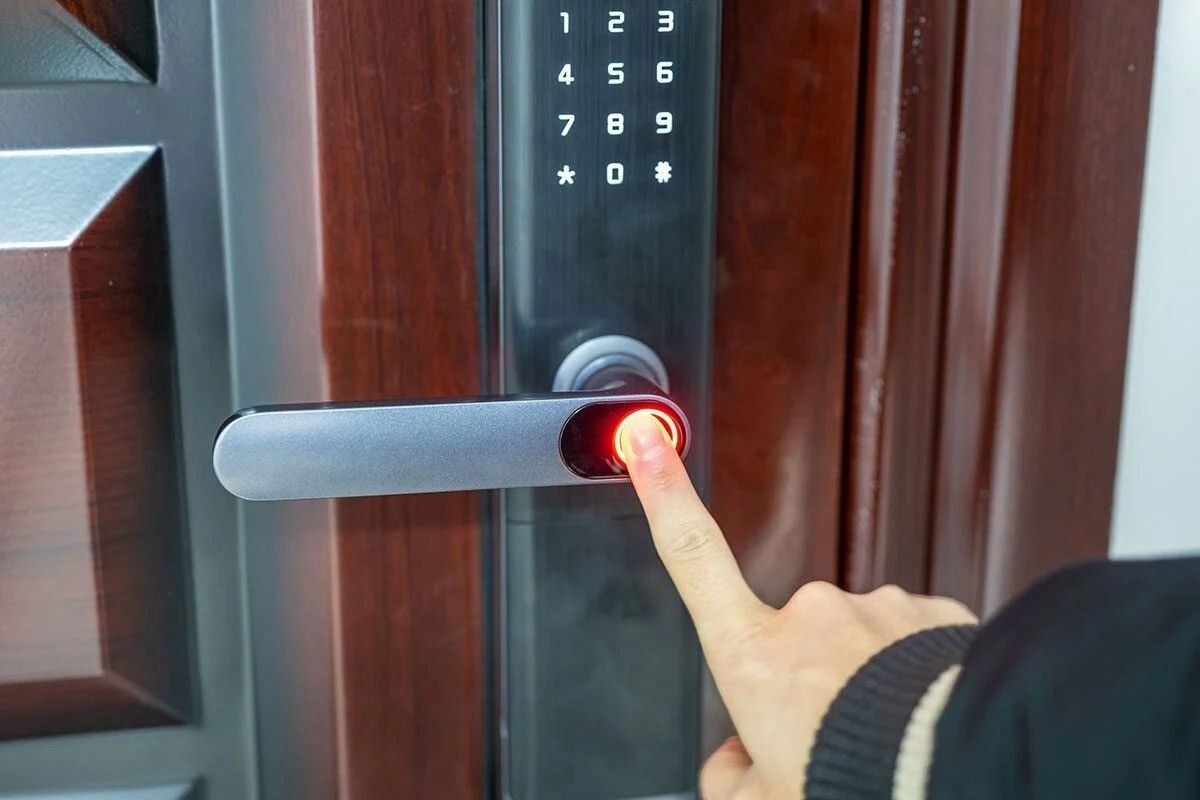
| Keyless entry / Keypad | Main entry | Easiest (no physical key needed) |
On‑the‑Road RV Key Replacement Solutions
1. Search for Spare or Hidden Keys
Before calling for help, double‑check your RV and tow vehicle. Many RVers stash spares in magnetic boxes under the coach or in glove compartments. Keeping a designated “RV spare key spot” can avoid roadside headaches altogether.
2. Use Key Code Replacement Services
If you know the lock or key code stamped on your RV lock or key, you can often order a replacement online quickly. Learn more about RV key codes and replacements at Vehicle HQ.
Tip: Codes like CH751 are among the most common and widely supported for replacement keys.
3. Call a Mobile Locksmith
A qualified mobile locksmith can:
- Decode and cut a new key on the spot, even without the original. On Point Locksmith Vancouver
- Rekey or replace a lock, giving you a fresh set of keys. On Point Locksmith Vancouver
- Program transponder or electronic ignition keys, when applicable.
Choosing a locksmith with RV experience is key — car‑only locksmith services may not carry RV‑specific blanks or tools.
For professional RV lock hardware and key services, explore resources and products at KeyItLocks.
4. Visit an RV Dealership or Service Center
Dealerships can be a reliable choice — especially for OEM key blanks or electronic keys. They often require:
- The VIN (Vehicle Identification Number)
- Proof of ownership
Dealers may take longer and cost more than a locksmith, but they ensure correct, manufacturer‑matched keys.
Roadside Emergency Tips When Keys Are Lost
Even with the best preparation, key issues can happen far from home. Here’s what to do:
Stay Safe and Visible
If you’re stranded, make your RV as visible as possible — use hazard lights and reflective triangles.
Have Documentation Ready
Locksmiths and dealerships often ask for:
- Proof of RV ownership
- VIN number
- Vehicle registration
Keeping this information handy with your RV paperwork can expedite service.
Consider Keyless Upgrades for the Future
If lost keys are a recurring worry, installing a keyless entry system can eliminate physical keys altogether. Keyless RV locks provide:
- Multiple user codes
- No lost key frustrations
- Enhanced security
Keyless systems are becoming more popular due to reliability, convenience, and reduced dependence on physical keys.
When Replacement Isn’t Simple: Advanced Scenarios
Transponder or Smart Keys
These keys contain a chip that must communicate with your RV’s immobilizer. Replacement typically involves:
- Cutting a blank key
- Programming the chip via diagnostic tools
This often necessitates a locksmith or dealer visit.
Lost All Keys
If every key is lost, a locksmith can often decode locks or remove cylinders to generate new keys — even without originals. In some cases, especially with high‑security locks, replacement of the entire locking system may be required.
Advanced RV Key Replacement Strategies
When it comes to RV key replacement, preparation and understanding advanced options can save you significant time and stress. Beyond basic solutions like spare keys or calling a locksmith, there are several strategies that experienced RV owners rely on to maintain access and security while traveling.
1. Rekeying Locks Instead of Replacing Keys
Rekeying is particularly useful for larger RVs with multiple access points, including storage compartments, slide-out controls, and entry doors. A skilled locksmith can rekey multiple locks in a single visit, often completing the work on the road if they offer mobile services. For RV owners who want detailed guidance, including compatible lock products and step-by-step instructions, resources like KeyItLocks provide comprehensive support for all major RV lock types.
2. Master Key Systems
For larger RVs or those with multiple compartments and access points, a master key system can be a game-changer. These systems allow one “master” key to open all doors and locks while still providing individual keys for specific compartments.
The benefits of a master key system include:
- Simplified access — no need to carry a large ring of separate keys.
- Enhanced security — individual compartment keys can be limited to certain users.
- Organizational convenience — especially useful for families, fleet RVs, or those who frequently travel with friends.
Master key systems are not just for luxury RVs. Even smaller RVs with multiple storage and access points can benefit from a master key setup, making day-to-day operations smoother and reducing the chance of being locked out.
3. Key Duplication and Backup Storage
No matter how advanced your key system, having duplicates and a backup plan is essential. At a minimum, you should:
- Keep at least one duplicate key in a secure, waterproof, and non-obvious location. Magnetic key holders under the RV frame or in hidden compartments are commonly used.
- Store duplicates separately from your main set to prevent complete lockout in case of theft, loss, or misplacement.
- Regularly check the condition of backup keys to ensure they haven’t corroded or become damaged over time.
By planning ahead with duplication and safe storage, you can avoid emergency situations that could otherwise leave you stranded in a remote location.
Top RV Key Safety Tips
Maintaining your RV keys and locks isn’t just about replacement — it’s about preventive care and preparation. Here are essential tips:
- Keep digital photos of keys and serial numbers — In case of loss, these photos can help a locksmith quickly identify the correct replacement.
- Store spare keys securely — Use locked boxes, magnetic holders, or other concealed compartments separate from your main keys.
- Consider keyless entry upgrades — Modern RV keyless entry systems provide convenience, reduce the risk of lost keys, and allow multiple users to access the RV without needing a physical key.
- Maintain locks regularly — Lubricate mechanical locks and check for wear and tear to prevent keys from breaking or getting stuck.
- Document lock codes — Keep a record of key codes (e.g., CH751, CH701) in a safe place to facilitate quick replacement if needed.
Frequently Asked Questions (FAQs)
1. Can I replace my RV key without the original?
Yes. Mobile locksmiths or dealerships can generate new keys using lock codes, VIN numbers, or by decoding the lock cylinder. This is particularly useful for older RVs where original keys may no longer exist.
2. Are all RV keys standard sizes?
No. Many RVs use common keys like CH751 or CH701, but some models utilize proprietary or electronic keys that require specialized replacement procedures.
3. How long does it take to get a replacement key?
Replacement time depends on key type: standard mechanical keys usually take 15–30 minutes, while transponder or smart keys may take 30–60 minutes, including programming.
4. Can I order RV keys online?
Yes. Trusted providers, such as KeyItLocks, offer online key code replacement options that can be shipped directly to your location, saving time on the road.
5. Is it worth upgrading to keyless entry?
Absolutely. Keyless systems reduce the risk of lost keys, allow multiple user codes, and enhance overall convenience for frequent travelers.
Final Thoughts
Being well-prepared is the key to stress-free RV travel. Maintaining spare keys, knowing the right locksmith or dealership contacts, and considering upgrades like keyless entry or master key systems can save both time and money.
With these strategies, RV key replacement is no longer a cause for panic — it becomes a manageable, predictable part of responsible RV ownership. Being proactive ensures your journeys remain smooth, safe, and enjoyable.