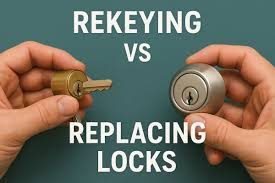
Locks are the first line of defense for homes, offices, and RVs, safeguarding your property, valuables, and peace of mind. Whether you’re moving into a new space, dealing with lost keys, replacing lock, or upgrading aging hardware, understanding your options is crucial. One of the most common questions property owners face is: Should I rekey my locks with KeyItLocks or replace them entirely?
Choosing between rekeying and replacement impacts your security, budget, and long-term convenience. Rekeying offers a cost-effective solution for maintaining existing hardware, while full replacement can enhance security with modern or high-tech locks. This guide provides an in-depth look at both strategies, including cost comparisons, practical scenarios, and expert insights, empowering you to make the right decision for your home, office, or RV.
What is Rekeying? The Science of Internal Realignment
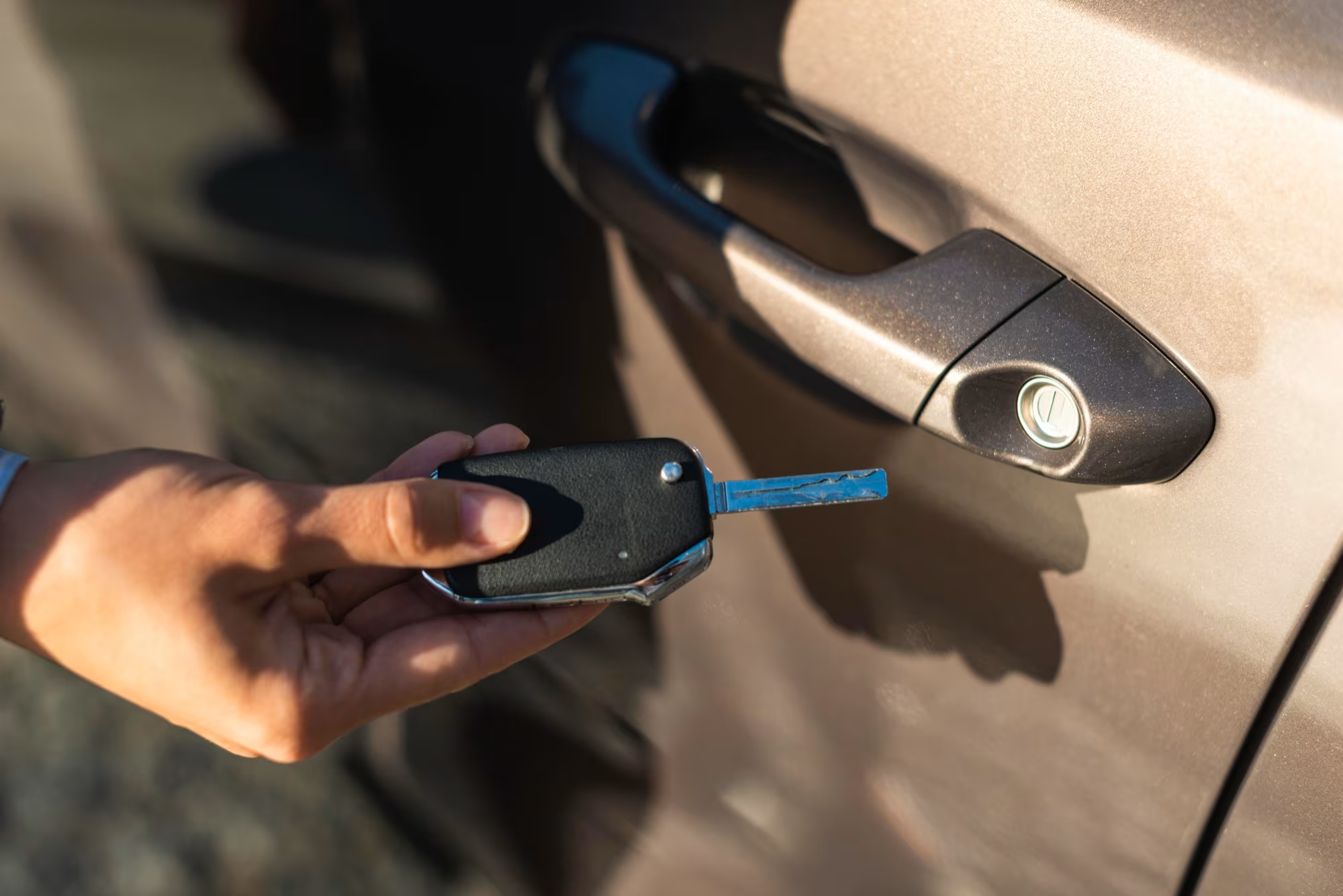
Rekeying is a surgical approach to security. Instead of discarding the entire lock assembly, a locksmith or a skilled DIYer modifies the internal components, specifically the key pins or tumblers, so that the lock functions with a brand-new key.
How the Process Works
Inside a standard pin-tumbler lock, there is a series of small pins of varying lengths. When the correct key is inserted, these pins align at the “shear line,” allowing the cylinder to turn. During rekeying:
- The lock cylinder is removed from the housing.
- The old pins are discarded.
- New pins, corresponding to a new key’s unique “bitting” (the teeth and notches), are inserted.
- The lock is reassembled.
Once finished, the old keys are physically incapable of aligning the pins, rendering them useless.
Advantages of Rekeying
- Cost-Efficiency: Rekeying is almost always the more economical choice. You aren’t paying for the expensive brass, steel, or electronic components of a new lock body; you are simply paying for labor and a few cents worth of pins.
- Preservation of Aesthetics: If you have high-end designer hardware or antique handlesets that match your home’s architecture, rekeying allows you to update security without changing the look of your doors.
- Speed: A professional can rekey a standard cylinder in about 10 to 15 minutes. Even an entire house can often be completed in under an hour.
- Sustainability: It reduces waste by keeping perfectly functional metal hardware out of landfills.
Ideal Scenarios for Rekeying
Rekeying is the “gold standard” for situations where the access rights change, but the hardware is still sound:
- New Home Purchase: You never know how many copies of the keys are circulating among former owners, contractors, or neighbors.
- Roommate or Tenant Turnover: In rental situations, rekeying is a fast way to reset security between occupants.
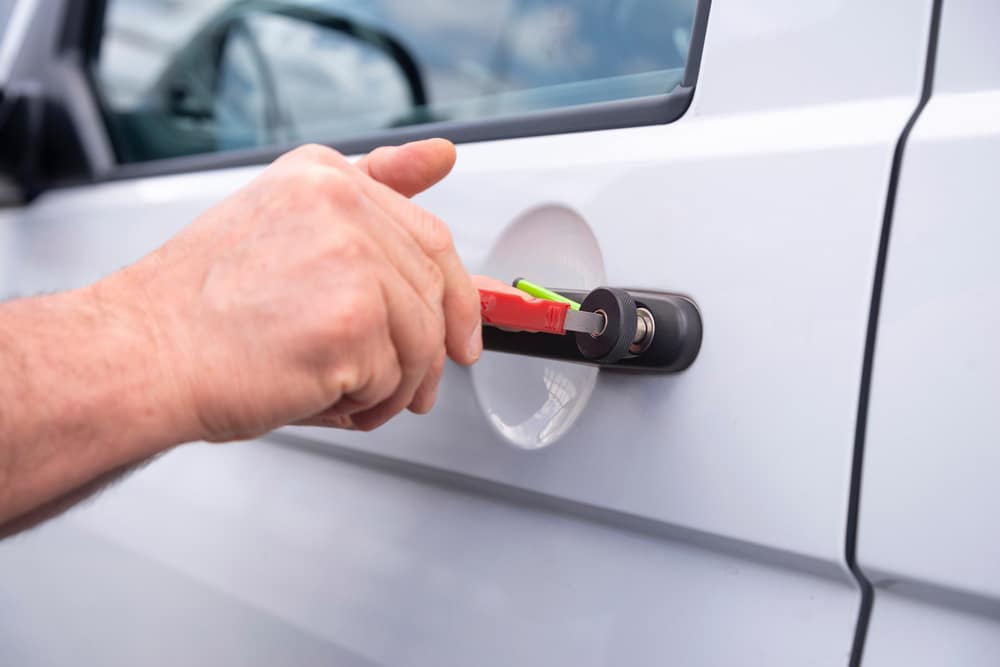
- Standardizing an RV: Many RVs come with different keys for the deadbolt, the handle, and the various storage bays. Rekeying allows you to move toward a “One Key” system.
What is Lock Replacement? A Total Security Overhaul
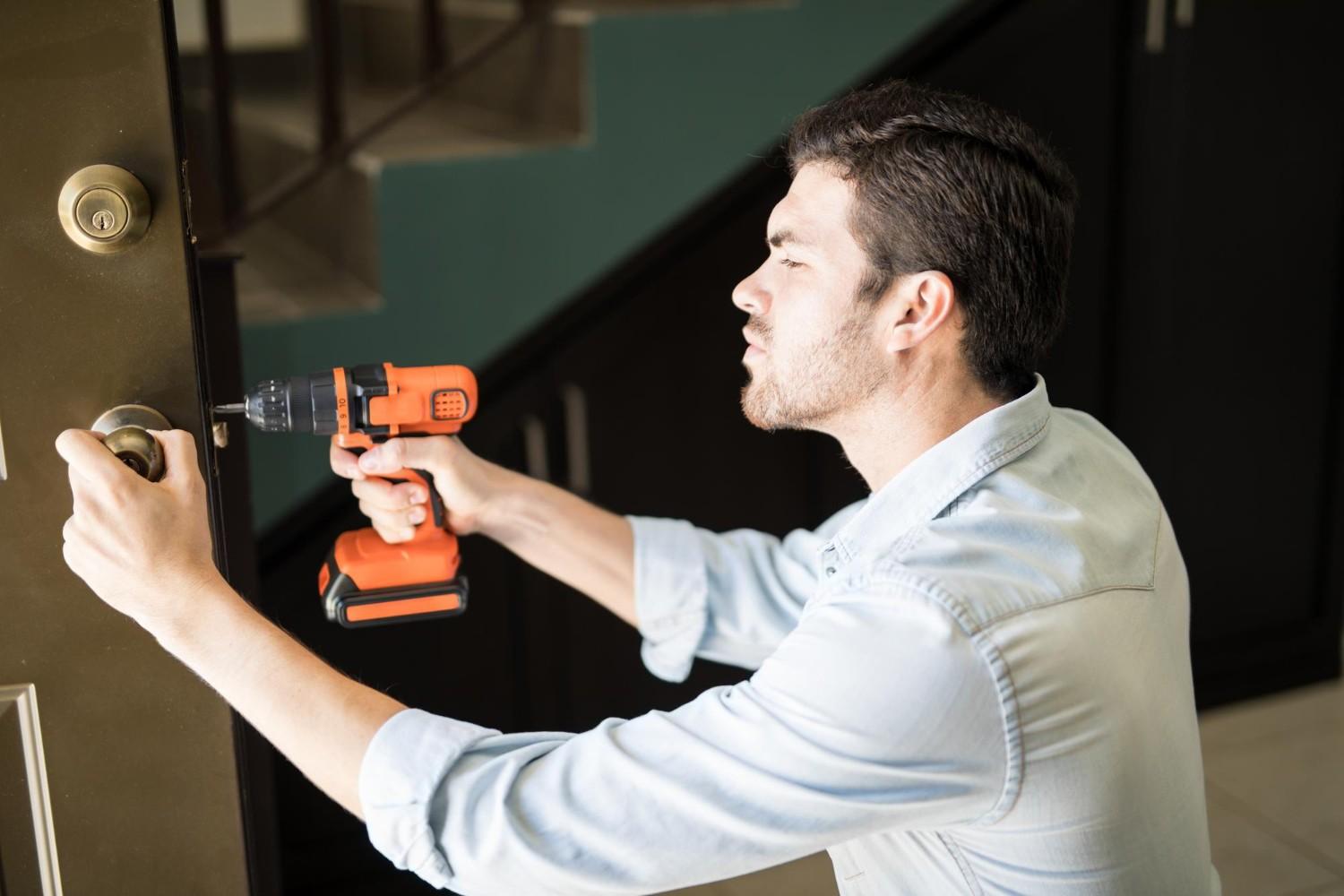
Replacement is the ” scorched earth” approach to lock maintenance. It involves removing the entire hardware set, latches, strikes, cylinders, and handles, and installing a completely different unit.
Why Opt for a Full Replacement?
While more expensive and labor-intensive, replacement offers benefits that rekeying simply cannot match. It is an investment in the physical strength and modern functionality of your entry points.
Benefits of Replacement
Upgraded Security Grades: Locks are rated by ANSI (American National Standards Institute) from Grade 1 (highest) to Grade 3. If your home currently has Grade 3 “builder-grade” locks, replacing them with Grade 1 or 2 high-security deadbolts significantly increases resistance to drilling, kicking, and picking. For more information, visit SafeHome.org on lock grades.
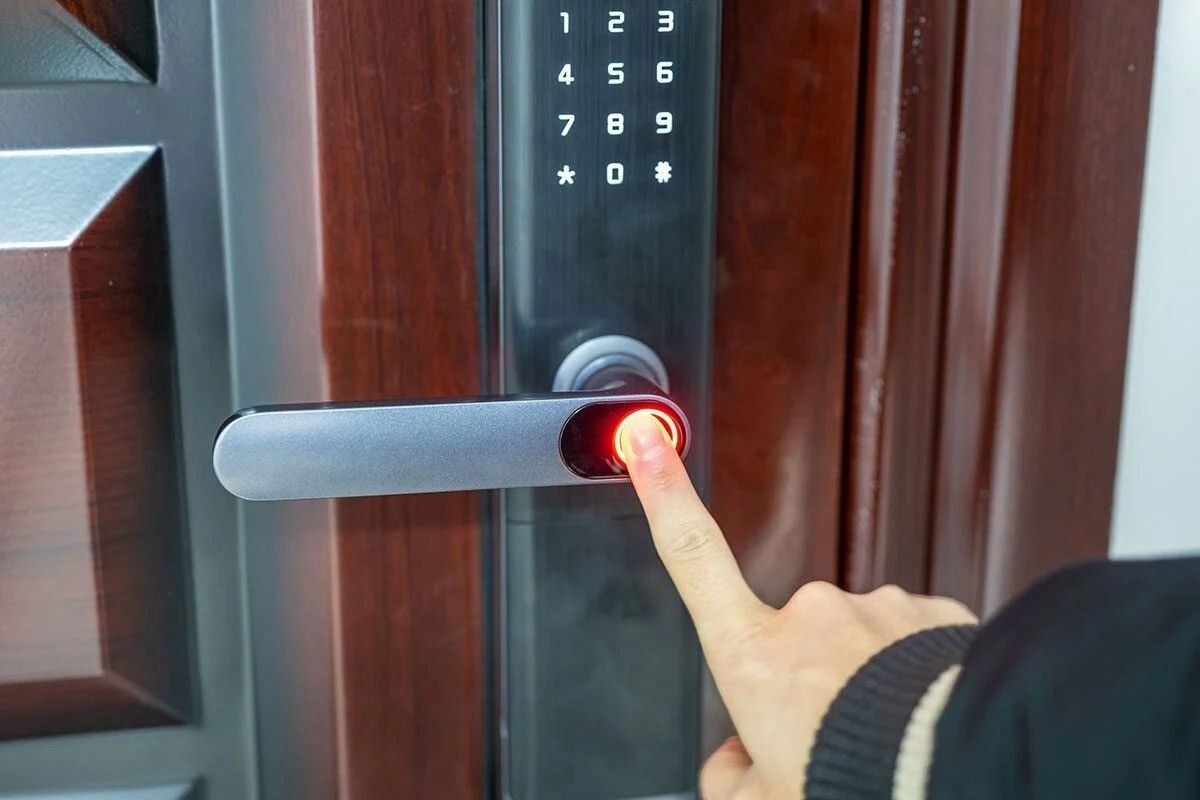
- Integration of Smart Technology: You cannot rekey a mechanical lock into a smart lock. Replacement allows you to transition to biometric, keypad, or Wi-Fi-enabled entry systems.
- Addressing Wear and Tear: Over years of use, internal springs lose tension and metal components grind down. A new lock ensures smooth operation and eliminates the frustration of “jiggling” the key.
- Visual Refresh: If you are renovating, changing the finish from polished brass to matte black or satin nickel can instantly modernize the property.
Ideal Scenarios for Replacement
- Mechanical Failure: If the lock is sticking, the key is difficult to turn, or the bolt doesn’t fully extend, the internal housing is likely compromised.
- Security Breaches: If a lock has been tampered with or shows signs of a “bump key” attack, replacing it with a more sophisticated model is necessary.
- Technological Obsolescence: If you want to move away from physical keys entirely in favor of smartphone-controlled access.
Rekeying vs. Replacing Locks: A Comparative Analysis (H3) table
| Feature | Rekeying | Replacing Locks |
| Average Cost | $20 – $50 per cylinder | $80 – $300+ per unit |
| Labor Time | 15–30 minutes per lock | 45–90 minutes per lock |
| Security Impact | Resets access (same hardware) | Can increase physical resistance |
| Key Capability | Can match existing locks | Can introduce entirely new systems |
| Hardware State | Reuses existing materials | All new components |
| Best For | Moving in, lost keys, landlords | Damage, upgrades, style changes |
Specialized Considerations for RV and Mobile Security
The world of Recreational Vehicles (RVs) presents unique challenges. Unlike residential doors, RVs often utilize “universal” keys. For example, the infamous CH751 key is estimated to open a massive percentage of RV storage compartments across North America.
The RV Rekeying Strategy
For RV owners, rekeying isn’t just about security, it’s about convenience. Most campers come with a “key ring of doom” containing four or five different keys for the main door, the screen door, and various exterior hatches.
- Key Standardization: A professional can rekey your storage bays to match your main entry door.
- Key Code Replacement: Many RV locks have a code stamped on the cylinder (like G391 or CH701). You can often order pre-cut keys or new cylinders based on these codes through specialized retailers like KeyItLocks.
When to Replace RV Locks
RV locks are often exposed to harsher environments than residential locks, salt air, extreme heat, and road vibration. If you notice corrosion or “pitting” on the metal, replacement is safer. Additionally, upgrading to a digital RV door lock with a keypad is a popular replacement choice to avoid carrying keys to the beach or on a hike.
Advanced Strategies: Master Keys and Key Control
For those managing larger properties or complex RV setups, simple rekeying might be part of a larger “Master Key” strategy.
1. Master Key Systems
A master key system is a tiered hierarchy of access. For example:
- The Master Key: Opens every door on the property.
- Change Keys: Open only one specific door.
- The Benefit: This is ideal for property managers or business owners who need total access while restricting employees or tenants to specific zones.
2. High-Security Key Control
Standard keys can be duplicated at any hardware store kiosk. If you replace your locks with Restricted Keyway systems (like Medeco or Mul-T-Lock), keys can only be duplicated by an authorized locksmith with your specific ID card. This ensures that even if a tenant has a key for a year, they cannot make a “secret” copy.
3. Backup and Emergency Planning
Regardless of whether you rekey or replace, your security strategy is only as good as your backup plan.
- Digital Records: Take high-resolution photos of your keys and store them in an encrypted cloud folder. Many locksmiths can cut a key just from a clear photo of the bitting.
- Hidden Storage: For RVs, avoid the “magnetic box on the bumper” cliché. Instead, consider mounting a small, weather-proof combination lockbox in a hidden area of the chassis.
Top Maintenance Tips for Long-Lasting Locks
Whether you’ve just rekeyed or installed a brand-new set, maintenance determines the lifespan of your security.
- Lubrication is Key: Never use WD-40 in a lock cylinder; it attracts dust and turns into a gummy sludge. Use a dry graphite lubricant or a PTFE-based spray.
- Check the Strike Plate: If your door sags, the bolt won’t align with the hole in the frame. This puts pressure on the lock mechanism and can lead to internal breakage. Periodically tighten the screws on the door hinges.
- Test Your Duplicates: Sometimes a cheaply made duplicate key will “work” but require force. Using a poorly cut key will eventually damage the internal pins of your newly rekeyed lock.
Frequently Asked Questions (FAQs)
1. Can I rekey a lock myself with a kit?
Yes, “rekey kits” are available for major brands like Schlage or Kwikset. However, it requires a steady hand and patience. If you accidentally drop the “driver pins” or “springs” out of the cylinder, the lock becomes non-functional, and you will likely need a professional to fix it.
2. If I lose my only key, can the lock still be rekeyed?
Yes, but it is more difficult. A locksmith will first have to “pick” or “decode” the lock to get it into the open position before they can remove the cylinder for rekeying. This usually incurs an additional labor fee.
3. Are smart locks safer than traditional locks?
In terms of “picking,” many smart locks are actually more difficult because they lack a traditional keyway. However, they introduce the risk of digital hacking or battery failure. A high-quality smart lock from a reputable brand usually offers a net gain in security and convenience.
4. How often should I rekey my business?
Security experts recommend rekeying commercial properties whenever an employee with “unsupervised access” (key holders) leaves the company on poor terms, or every 2–3 years as a general protocol.
5. Will rekeying fix a lock that is hard to turn?
Generally, no. If a lock is hard to turn, the issue is likely mechanical friction, a bent bolt, or a misaligned door. Rekeying only changes the “code” of the lock; it doesn’t repair structural damage.
Final Thoughts:
Security is a balance between perceived risk and practicality. If your current locks are high-quality, sturdy, and aesthetically pleasing, rekeying is the smartest way to ensure that only you have access to your space. It is the professional’s choice for routine security updates.
However, if you are relying on 20-year-old hardware, or if you find yourself constantly fumbling for keys in the dark, replacement is a worthy investment. Upgrading to modern, high-security, or smart hardware provides a level of protection and ease of use that a simple rekey cannot provide.
For specific hardware recommendations, especially regarding the complex world of RV key codes and compartment security, resources like KeyItLocks and Vehicle HQ offer specialized databases to help you identify the exact blanks and cylinders you need.